
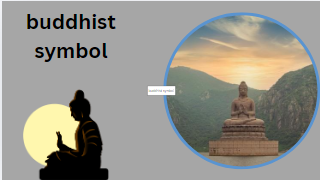
Buddhist Symbol: Meaning History and Sacred Symbols in Buddhism
Discover the meaning of Buddhist symbols their history spiritual significance and role in Buddhist teachings. Learn about the Dharma Wheel Lotus Flower Endless Knot Bodhi Tree and other sacred Buddhist symbols.n
Buddhist Symbol: A Complete Guide to Sacred Symbols in Buddhism
Buddhist symbols are among the most recognizable spiritual emblems in the world. For more than 2500 years these sacred images have been used to represent the teachings of Buddhism the path to enlightenment and the wisdom of the Buddha. Each Buddhist symbol carries deep philosophical meaning and serves as a visual reminder of important spiritual principles such as compassion mindfulness karma wisdom and liberation.
Whether seen in temples meditation centers artwork jewelry prayer flags or sacred texts Buddhist symbols help practitioners connect with the teachings of Buddhism. They transcend language barriers and communicate profound truths through visual representation.
In this comprehensive guide we will explore the meaning history significance and symbolism of the most important Buddhist symbols and understand why they continue to inspire millions of people worldwide.
What Is a Buddhist Symbol?
A Buddhist symbol is a visual representation of spiritual concepts teachings virtues or historical events associated with Buddhism. These symbols help communicate complex philosophical ideas in a simple and accessible form.
Unlike many religious traditions that focus heavily on depictions of deities early Buddhism often used symbols instead of direct images of the Buddha. Before statues of the Buddha became common symbols such as the Dharma Wheel Bodhi Tree and footprints of the Buddha were used to represent his presence and teachings.
Today Buddhist symbols remain central to Buddhist practice and culture across Asia and around the world.
History of Buddhist Symbols
The origins of Buddhist symbolism date back to ancient India during the lifetime of the Buddha approximately the 5th century BCE.
Early Buddhist art avoided portraying the Buddha in human form. Instead artists used symbolic imagery to represent key moments in his life:
- The Bodhi Tree symbolized enlightenment.
- Empty thrones represented the Buddha’s spiritual presence.
- Footprints indicated his earthly journey.
- The Dharma Wheel symbolized his teachings.
As Buddhism spread to countries such as China Japan Tibet Sri Lanka Thailand Myanmar and Nepal new artistic traditions emerged. These cultures incorporated local influences while preserving core Buddhist symbolism.
Today Buddhist symbols are found in temples sculptures paintings manuscripts and digital media worldwide.
The Eight Auspicious Symbols of Buddhism
Among the most important Buddhist symbols are the Eight Auspicious Symbols known in Sanskrit as the Ashtamangala. These sacred emblems are especially significant in Tibetan Buddhism.
1. Dharma Wheel (Dharmachakra)
7
The Dharma Wheel is perhaps the most famous Buddhist symbol.
Meaning
The wheel represents:
- The teachings of the Buddha
- The Noble Eightfold Path
- Spiritual progress
- Enlightenment
The eight spokes symbolize:
- Right View
- Right Intention
- Right Speech
- Right Action
- Right Livelihood
- Right Effort
- Right Mindfulness
- Right Concentration
Significance
The turning wheel signifies the continuous spread of Buddhist wisdom throughout the world.
2. Lotus Flower
6
The Lotus Flower is one of the most beautiful and meaningful Buddhist symbols.
Meaning
The lotus grows in muddy water yet blooms into a pure flower.
It symbolizes:
- Purity
- Spiritual awakening
- Enlightenment
- Transformation
Lotus Colors and Their Meanings
- White Lotus: Spiritual purity
- Pink Lotus: The Buddha
- Blue Lotus: Wisdom
- Red Lotus: Compassion
- Purple Lotus: Mysticism
The lotus reminds practitioners that enlightenment can emerge from life’s challenges.
3. Endless Knot
The Endless Knot is a geometric design without a beginning or end.
Meaning
It symbolizes:
- Interconnectedness
- Eternal wisdom
- Compassion
- Cause and effect
- Unity of all things
The symbol teaches that all actions are interconnected through karma.
4. Golden Fish
The pair of golden fish represents freedom and happiness.
Meaning
They symbolize:
- Fearlessness
- Good fortune
- Spiritual liberation
- Abundance
Like fish moving freely through water enlightened beings move freely through life without attachment.
5. Treasure Vase
The Treasure Vase represents inexhaustible spiritual wealth.
Meaning
It symbolizes:
- Prosperity
- Wisdom
- Long life
- Spiritual abundance
The vase reminds practitioners that spiritual treasures increase when shared.
6. Parasol (Sacred Umbrella)
The parasol symbolizes protection from suffering.
Meaning
It represents:
- Spiritual shelter
- Protection
- Compassion
- Dignity
The parasol shields practitioners from ignorance and harmful influences.
7. Conch Shell
The white conch shell symbolizes the spread of Buddhist teachings.
Meaning
It represents:
- The voice of the Buddha
- Awakening
- Communication of truth
- Spiritual guidance
Its sound calls beings toward enlightenment.
8. Victory Banner
The Victory Banner symbolizes triumph over obstacles.
Meaning
It represents victory over:
- Ignorance
- Attachment
- Anger
- Delusion
The banner celebrates spiritual achievement and awakening.
Bodhi Tree Symbol
6
The Bodhi Tree is one of the most sacred Buddhist symbols.
Historical Significance
According to Buddhist tradition the Buddha attained enlightenment while meditating beneath a Bodhi Tree in Mahabodhi Temple.
Symbolic Meaning
The tree symbolizes:
- Awakening
- Wisdom
- Meditation
- Enlightenment
- Inner growth
Many Buddhist temples plant Bodhi trees as reminders of the Buddha’s enlightenment.
Buddha Footprints (Buddhapada)
Before Buddha statues became common footprints were used to represent the Buddha.
Meaning
They symbolize:
- The Buddha’s earthly presence
- Spiritual guidance
- The path to enlightenment
Many footprints contain sacred symbols such as the Dharma Wheel.
Buddhist Swastika Symbol
One of the oldest Buddhist symbols is the swastika.
Original Meaning
In Buddhism the swastika traditionally symbolizes:
- Good fortune
- Harmony
- Eternity
- Auspiciousness
It was used for thousands of years before being appropriated by the Nazi regime in the 20th century.
Buddhist Context
In Buddhist cultures across Asia the symbol retains its ancient positive spiritual meaning.
The Buddha Image as a Symbol
7
The image of the Buddha itself has become a powerful Buddhist symbol.
Symbolic Meanings
A Buddha statue may represent:
- Enlightenment
- Inner peace
- Compassion
- Wisdom
- Mindfulness
Different hand gestures known as mudras carry specific meanings.
Buddhist Mudras and Their Symbolism
Mudras are symbolic hand gestures used in Buddhist art and meditation.
Dhyana Mudra
Represents:
- Meditation
- Inner balance
- Concentration
Bhumisparsha Mudra
Represents:
- Enlightenment
- Calling the earth as witness
Abhaya Mudra
Represents:
- Fearlessness
- Protection
- Peace
Varada Mudra
Represents:
- Compassion
- Charity
- Generosity
The Buddhist Flag
The Buddhist Flag is a modern symbol of Buddhism.
Colors and Meanings
The flag contains six colors:
- Blue: Compassion
- Yellow: Middle Path
- Red: Blessings
- White: Purity
- Orange: Wisdom
- Combined Stripe: Unity
Today the Buddhist Flag is recognized internationally as a symbol of Buddhist faith and community.
The Lion in Buddhist Symbolism
Lions frequently appear in Buddhist artwork and architecture.
Meaning
The lion symbolizes:
- Strength
- Courage
- Wisdom
- Royal authority
The Buddha’s teachings are often referred to as the “Lion’s Roar” representing the powerful proclamation of truth.
Deer Symbol in Buddhism
Deer are closely connected to the Buddha’s first sermon.
Historical Significance
The Buddha delivered his first teaching in Sarnath traditionally known as Deer Park.
Meaning
The deer symbolizes:
- Peace
- Harmony
- Spiritual listening
- Compassion
Many temples display deer alongside the Dharma Wheel.
Buddhist Symbolism and the Concept of Enlightenment
Most Buddhist symbols ultimately point toward enlightenment.
Core concepts represented by Buddhist symbols include:
- Nirvana
- Compassion
- Wisdom
- Mindfulness
- Karma
- Impermanence
- Interdependence
- Liberation from suffering
These symbols serve as reminders of the path taught by the Buddha.
Buddhist Symbols in Modern Culture
Today Buddhist symbols appear in:
- Meditation centers
- Yoga studios
- Jewelry
- Home décor
- Tattoos
- Art
- Literature
- Digital media
While many people appreciate these symbols aesthetically understanding their spiritual significance fosters greater respect for Buddhist traditions.
How Buddhist Symbols Are Used in Practice
Practitioners use Buddhist symbols for:
Meditation
Symbols help focus the mind during contemplation.
Teaching
Visual symbols communicate Buddhist teachings effectively.
Rituals
Sacred symbols are incorporated into ceremonies and festivals.
Personal Inspiration
Many Buddhists keep symbols in homes and temples as reminders of spiritual values.
Frequently Asked Questions About Buddhist Symbols
What is the most important Buddhist symbol?
The Dharma Wheel is generally considered the most important Buddhist symbol because it represents the teachings of the Buddha and the Noble Eightfold Path.
What does the lotus symbolize in Buddhism?
The lotus symbolizes purity spiritual growth and enlightenment emerging from life’s difficulties.
Why is the Bodhi Tree sacred?
The Bodhi Tree is sacred because the Buddha attained enlightenment beneath it.
What are the Eight Auspicious Symbols?
They are the Dharma Wheel Lotus Flower Endless Knot Golden Fish Treasure Vase Parasol Conch Shell and Victory Banner.
Is the Buddhist swastika different from the Nazi swastika?
Yes. The Buddhist swastika is an ancient symbol of good fortune and spirituality that existed for thousands of years before its misuse by the Nazi regime.
Conclusion
Buddhist symbols provide a powerful visual language that communicates the profound teachings of Buddhism. From the Dharma Wheel and Lotus Flower to the Bodhi Tree and Endless Knot each Buddhist symbol carries layers of spiritual meaning that guide practitioners toward wisdom compassion mindfulness and enlightenment.
These sacred emblems have survived for more than two millennia because they capture universal truths about human existence and spiritual growth. Whether encountered in temples meditation practices art or daily life Buddhist symbols continue to inspire people around the world to seek inner peace and deeper understanding.
By learning the meaning behind these symbols we gain not only a greater appreciation for Buddhist culture but also valuable insights into the timeless pursuit of wisdom and awakening.
SEO Keywords: Buddhist symbol Buddhist symbols meaning Dharma Wheel Lotus Flower Buddhism Bodhi Tree symbol Buddhist sacred symbols Eight Auspicious Symbols Buddhist symbolism Buddhist signs Buddhist spiritual symbols Buddha symbols Buddhist iconography Buddhism symbols explained enlightenment symbols Tibetan Buddhist symbols.