
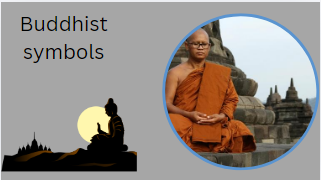
Buddhist Symbols: A Complete Guide to Their Meaning and Spiritual Importance
Buddhist symbols are powerful visual representations of the teachings philosophy and spiritual path of Buddhism. These sacred symbols are not just decorative elements—they carry deep meanings connected to enlightenment compassion wisdom and the journey toward liberation.
From ancient temples in India to modern meditation centers worldwide Buddhist symbols continue to inspire millions of people. In this detailed guide we will explore the most important Buddhist symbols their origins meanings and their role in spiritual practice.
Introduction to Buddhist Symbols
Buddhism founded by Gautama Buddha is a spiritual tradition that focuses on overcoming suffering through wisdom ethical living and meditation.
Because early Buddhists avoided using direct images of the Buddha symbols became an essential way to represent his teachings. Over time these symbols evolved into a rich visual language used across Asia.
Today Buddhist symbols appear in:
- Temples and monasteries
- Meditation spaces
- Art and jewelry
- Flags and sacred objects
- Religious ceremonies
Each symbol reflects a different aspect of enlightenment and the Buddhist path.
1. The Dharma Wheel (Dharmachakra)
The Dharma Wheel also known as the Dharmachakra is one of the most important Buddhist symbols.
Meaning of the Dharma Wheel
The wheel represents the teachings of the Buddha and the path to enlightenment. It symbolizes:
- The cycle of birth death and rebirth (samsara)
- The Noble Eightfold Path
- Spiritual progress
Structure of the Wheel
The wheel typically has:
- Eight spokes representing the Noble Eightfold Path
- A hub symbolizing moral discipline and mindfulness
- A circular shape representing perfection and completeness
Spiritual Importance
The Dharma Wheel is often the first sermon given by the Buddha in Sarnath making it a symbol of spiritual awakening.
2. The Lotus Flower
The lotus flower is one of the most recognizable Buddhist symbols.
Meaning of the Lotus
The lotus represents purity enlightenment and spiritual growth. It grows in muddy water but blooms beautifully above the surface.
This symbolizes:
- Rising above suffering
- Purity of mind and body
- Enlightenment through struggle
Different Colors and Meanings
- White Lotus – purity and spiritual perfection
- Pink Lotus – the historical Buddha
- Blue Lotus – wisdom and knowledge
- Red Lotus – love and compassion
The lotus reminds practitioners that enlightenment is possible even in a difficult world.
3. Endless Knot (Shrivatsa)
The Endless Knot is a sacred symbol representing the interconnected nature of life.
Meaning of the Endless Knot
It symbolizes:
- Infinite wisdom
- Interdependence of all things
- Cycles of life and rebirth
- Unity of compassion and wisdom
Spiritual Interpretation
There is no beginning or end in the knot reflecting the Buddhist belief that everything is connected in an endless cycle.
This symbol is widely used in Tibetan Buddhism and sacred art.
4. The Buddha (Enlightened One)
The image of Siddhartha Gautama is one of the most important representations in Buddhist symbolism.
Meaning
The Buddha symbolizes:
- Enlightenment
- Inner peace
- Liberation from suffering
- Compassion and wisdom
Common Postures
- Meditation posture – deep awareness and enlightenment
- Earth-touching gesture – victory over temptation
- Teaching posture – sharing wisdom
The Buddha figure is not worshipped as a god but respected as a guide and teacher.
5. The Bodhi Tree
The Bodhi Tree is the sacred tree under which the Buddha attained enlightenment.
Symbolism
It represents:
- Awakening
- Spiritual realization
- Meditation and inner peace
Importance in Buddhism
The original Bodhi Tree in Bodh Gaya India is one of the most sacred pilgrimage sites for Buddhists worldwide.
6. The Eight Auspicious Symbols
In Tibetan Buddhism there are eight sacred symbols known as the Eight Auspicious Symbols.
List of the Eight Symbols:
- Conch Shell
- Endless Knot
- Victory Banner
- Lotus Flower
- Dharma Wheel
- Treasure Vase
- Golden Fish
- Parasol
Meaning
Together these symbols represent:
- Good fortune
- Spiritual protection
- Enlightenment
- Prosperity and wisdom
These symbols are often displayed in temples rituals and sacred art.
7. The Triratna (Three Jewels)
The Triratna or Three Jewels is a core Buddhist symbol representing the foundation of Buddhism.
The Three Jewels
- Buddha (the teacher)
- Dharma (teachings)
- Sangha (community of practitioners)
Meaning
It represents taking refuge in the path of Buddhism and committing to spiritual practice.
8. The Swastika in Buddhism
The swastika is an ancient symbol used in Buddhism long before modern misunderstandings.
Meaning in Buddhism
In Buddhist tradition it represents:
- Good fortune
- Eternity
- The footsteps of the Buddha
- Spiritual balance
It is often seen on temples statues and sacred texts in Asia.
9. The Stupa
A stupa is a dome-shaped structure used for meditation and storing sacred relics.
Symbolism
It represents:
- The mind of the Buddha
- Enlightenment
- The universe
Structure Meaning
- Base – earth
- Dome – water
- Spire – fire
- Umbrella – air
- Top jewel – consciousness
Stupas are important pilgrimage sites in Buddhist culture.
10. Prayer Flags
Prayer flags are colorful flags used in Tibetan Buddhism.
Meaning
They symbolize:
- Peace
- Compassion
- Wisdom
- Good karma spreading through wind
Each flag carries mantras and sacred prayers believed to be carried into the world by the wind.
Importance of Buddhist Symbols in Daily Life
Buddhist symbols are not just religious decorations. They are tools for meditation and reminders of spiritual principles.
They help practitioners:
- Stay mindful
- Focus during meditation
- Remember Buddhist teachings
- Cultivate compassion and wisdom
Even outside Buddhist communities these symbols are widely appreciated for their artistic and spiritual beauty.
Buddhist Symbols in Modern Culture
Today Buddhist symbols are used in:
- Yoga studios
- Meditation apps
- Home décor
- Fashion and jewelry
- Wellness branding
However it is important to understand their sacred meaning before using them casually.
Conclusion
Buddhist symbols represent one of the richest visual languages in world spirituality. From the Lotus Flower to the Dharma Wheel each symbol carries deep meaning about life suffering and enlightenment.
These symbols are timeless reminders of the teachings of Gautama Buddha and continue to guide millions of people toward peace and wisdom.
Understanding these symbols allows us to connect more deeply with Buddhist philosophy and appreciate its universal message of compassion mindfulness and inner awakening.
SEO Keywords Included:
Buddhist symbols meaning Dharma Wheel Lotus Flower Buddhism Endless Knot meaning Eight Auspicious Symbols Triratna Buddhism Buddhist spiritual symbols Buddhism guide Buddhist art symbols.