
Radiation Symbol: Meaning History Types Uses and Safety Guide
Learn everything about the radiation symbol including its meaning history design colors types safety applications radioactive warning signs and global standards. Complete guide for students professionals and the general public.
Radiation Symbol
The radiation symbol is one of the most recognizable warning signs in the world. It alerts people to the presence of radioactive materials ionizing radiation or hazardous radiation-producing equipment. Whether seen in hospitals nuclear power plants research laboratories industrial facilities or transportation containers the radiation symbol plays a crucial role in protecting human health and safety.
Understanding the radiation symbol is important because radiation can be invisible odorless and potentially harmful when exposure exceeds safe levels. The symbol serves as a universal warning that special precautions may be required.
In this comprehensive guide you’ll learn everything about the radiation symbol including its meaning history design international standards uses safety implications and frequently asked questions.
What Is the Radiation Symbol?
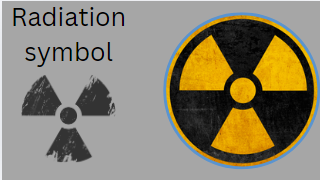
The radiation symbol often called the radioactive symbol or radiation warning sign is a warning emblem used to indicate the presence of radioactive materials or radiation hazards.
The traditional symbol consists of:
- A central circle
- Three triangular blades or sectors extending outward
- Usually displayed in black or magenta on a yellow background
This design is commonly known as the trefoil radiation symbol.
The purpose of the radiation symbol is simple:
- Warn individuals of potential radiation exposure
- Prevent accidental contact with radioactive materials
- Promote compliance with safety regulations
- Reduce health risks associated with ionizing radiation
Radiation Symbol Image Structure
4
The three blades of the trefoil are arranged symmetrically around a central circle creating a distinct and easily recognizable warning sign.
Meaning of the Radiation Symbol
The radiation symbol represents the presence of:
- Radioactive substances
- Ionizing radiation
- Radiation-producing devices
- Nuclear materials
- Radioactive waste
- Radiation-controlled areas
The symbol communicates a critical safety message:
Caution: Radiation hazard present
The warning does not necessarily mean immediate danger but it indicates that specific safety procedures must be followed.
History of the Radiation Symbol
The radiation symbol has a fascinating history that dates back to the early days of nuclear science.
Creation in 1946
The original radiation symbol was developed in 1946 at the Radiation Laboratory of the University of California Berkeley.
Scientists needed a universal warning sign that would:
- Be easily recognizable
- Have no prior meaning
- Clearly indicate a hazard
The result was the trefoil design that remains in use today.
Original Colors
The earliest radiation symbols used:
- Magenta trefoil
- Blue background
Later safety experts adopted the yellow background because it provided greater visibility and aligned with other hazard warning signs.
Why Is the Radiation Symbol Called a Trefoil?
The radiation symbol is called a trefoil because it resembles a three-lobed shape.
Characteristics include:
- Three equally spaced blades
- Central circular core
- Rotational symmetry
The trefoil design is effective because it:
- Stands out visually
- Is difficult to confuse with other symbols
- Remains recognizable at various sizes
Types of Radiation Symbols
Several radiation-related warning symbols exist today.
1. Traditional Radiation Trefoil
This is the standard radiation warning sign used worldwide.
Features:
- Three black blades
- Yellow background
- Central black circle
Common locations:
- Laboratories
- Nuclear facilities
- Medical imaging rooms
- Industrial radiography sites
2. IAEA Supplemental Radiation Symbol
In 2007 the International Atomic Energy Agency introduced an additional warning symbol.
Components
The enhanced symbol includes:
- Traditional trefoil
- Radiation waves
- Running person
- Skull and crossbones
Purpose:
- Communicate danger more effectively
- Warn people who may not understand the traditional trefoil
- Reduce accidental exposure
This symbol is typically placed directly on highly dangerous radioactive sources rather than on doors or facility signs.
3. Radioactive Material Transportation Labels
Radioactive shipments often use specialized labels indicating:
- Radiation level
- Radioactive contents
- Handling requirements
Categories include:
- Category I – White
- Category II – Yellow
- Category III – Yellow
These labels help transportation personnel manage radioactive cargo safely.
What Does the Radiation Symbol Warn Against?
The radiation symbol warns against exposure to:
Alpha Radiation
Characteristics:
- Low penetration
- Stopped by paper or skin
- Dangerous if inhaled or ingested
Sources:
- Uranium
- Radon
- Plutonium
Beta Radiation
Characteristics:
- Moderate penetration
- Can pass through skin
- Requires protective shielding
Sources:
- Carbon-14
- Strontium-90
- Tritium
Gamma Radiation
Characteristics:
- Highly penetrating
- Requires dense shielding
- Can travel long distances
Sources:
- Cobalt-60
- Cesium-137
Neutron Radiation
Characteristics:
- Extremely penetrating
- Common near nuclear reactors
- Requires specialized shielding
Sources:
- Nuclear reactors
- Research facilities
Where Is the Radiation Symbol Used?
The radiation symbol appears in numerous industries.
Nuclear Power Plants
Nuclear facilities use radiation symbols to identify:
- Reactor areas
- Waste storage
- Restricted zones
- Maintenance areas
Hospitals and Medical Centers
Healthcare facilities display radiation symbols in:
- X-ray rooms
- Radiology departments
- Nuclear medicine labs
- Cancer treatment centers
Medical professionals rely on these warnings to maintain safe exposure levels.
Research Laboratories
Universities and research centers use radioactive materials for:
- Biological research
- Chemistry experiments
- Physics studies
Radiation symbols help maintain laboratory safety standards.
Industrial Applications
Industries use radiation in:
- Weld inspection
- Material testing
- Thickness measurement
- Sterilization processes
Warning signs identify areas where radiation-producing equipment operates.
Waste Management Facilities
Radioactive waste sites use radiation symbols to indicate:
- Storage containers
- Disposal zones
- Monitoring areas
This helps prevent unauthorized access.
Radiation Symbol Colors and Their Meaning
Yellow Background
Yellow is used because it:
- Attracts attention quickly
- Indicates caution
- Provides strong visual contrast
Black Symbol
Black offers:
- High visibility
- Easy recognition
- Strong contrast against yellow
Magenta Symbol
Some facilities use magenta because:
- It is uncommon in nature
- Reduces confusion with other warning signs
- Has historical significance
International Standards for Radiation Symbols
Various organizations regulate radiation warning signs.
International Atomic Energy Agency (IAEA)
The IAEA develops international radiation safety guidelines and promotes standardized warning symbols.
International Organization for Standardization (ISO)
International Organization for Standardization establishes global safety standards for radiation signage.
National Regulatory Agencies
Many countries maintain their own regulations.
Examples include:
- Nuclear regulatory authorities
- Health agencies
- Transportation departments
These organizations ensure proper symbol usage.
Importance of the Radiation Symbol
The radiation symbol serves several critical functions.
Protecting Human Health
Radiation exposure can lead to:
- Tissue damage
- Radiation sickness
- Increased cancer risk
- Genetic mutations
Warning signs help reduce exposure.
Preventing Accidents
The symbol alerts workers and visitors to potential hazards before entering restricted areas.
Regulatory Compliance
Organizations handling radioactive materials must comply with safety regulations.
Proper signage is often legally required.
Emergency Response
First responders use radiation symbols to identify hazards quickly during emergencies.
Radiation Safety Principles
When encountering a radiation symbol remember three key safety principles.
Time
Reduce the amount of time spent near radiation sources.
Less exposure time equals lower radiation dose.
Distance
Increase distance from the radiation source whenever possible.
Radiation intensity decreases rapidly with distance.
Shielding
Use appropriate barriers such as:
- Lead
- Concrete
- Steel
- Water
Shielding reduces radiation exposure.
Common Misconceptions About the Radiation Symbol
Myth 1: Every Radiation Symbol Means Immediate Danger
Reality:
Many radiation-controlled areas pose little risk when proper procedures are followed.
Myth 2: Radiation Is Always Deadly
Reality:
Radiation is widely used safely in medicine research and industry.
Myth 3: Radiation Can Be Seen
Reality:
Most forms of radiation are invisible.
This is why warning symbols are essential.
Myth 4: Nuclear Power Plants Are the Only Places With Radiation
Reality:
Radiation exists naturally in:
- Soil
- Rocks
- Air
- Space
- Food
The symbol indicates elevated or controlled sources.
Radiation Symbol in Popular Culture
The radiation symbol frequently appears in:
- Movies
- Television shows
- Video games
- Comic books
- Science fiction artwork
It is often associated with:
- Nuclear technology
- Post-apocalyptic themes
- Scientific experimentation
- Hazardous materials
Its distinctive design has become a globally recognized icon.
Difference Between Radiation Symbol and Biohazard Symbol
Many people confuse the radiation symbol with the biohazard symbol.
Radiation Symbol
Indicates:
- Radioactive materials
- Ionizing radiation
- Nuclear hazards
Biohazard Symbol
Indicates:
- Infectious agents
- Biological hazards
- Contaminated materials
Both are warning signs but address entirely different risks.
How to Respond When You See a Radiation Symbol
If you encounter a radiation warning sign:
- Read any accompanying instructions.
- Do not enter restricted areas without authorization.
- Follow posted safety procedures.
- Wear required protective equipment.
- Report damaged signs immediately.
- Seek guidance from trained personnel if uncertain.
Radiation Symbol Unicode and Digital Usage
The radiation symbol is available in Unicode.
Unicode Character
☢
Unicode Code Point:
U+2622
Common uses:
- Safety documentation
- Educational materials
- Digital communication
- Scientific publications
HTML Code:
☢
This allows websites and applications to display the radiation symbol consistently.
Frequently Asked Questions
What does the radiation symbol mean?
It warns of radioactive materials ionizing radiation or radiation-producing equipment that may require special safety precautions.
Why is the radiation symbol yellow and black?
Yellow attracts attention while black provides strong contrast making the warning highly visible.
Who invented the radiation symbol?
The symbol was created in 1946 at the University of California Berkeley Radiation Laboratory.
Is the radiation symbol used worldwide?
Yes. The trefoil radiation symbol is recognized internationally and used across many countries.
What is the new radiation warning symbol?
The IAEA supplemental symbol combines the traditional trefoil with a skull-and-crossbones and a running person to communicate danger more effectively.
Can radiation be detected without instruments?
Most radiation cannot be seen smelled or felt making warning signs and detection equipment essential.
Conclusion
The radiation symbol is one of the most important safety symbols in modern society. Its distinctive trefoil design serves as a universal warning that radioactive materials or radiation-producing equipment may be present. From nuclear power plants and hospitals to research laboratories and industrial facilities the radiations symbols helps protect workers patients and the public from unnecessary exposure.
Understanding the meaning history types and proper response to radiation warning signs is essential for maintaining safety in environments where ionizing radiation exists. As technology continues to advance the radiations symbols remains a powerful visual tool that communicates a critical message instantly across languages and cultures.
Keywords: radiations symbols radioactive symbols radiations warning sign trefoil symbols radioactive warning symbols radiations hazard sign nuclear radiations symbols ionizing radiations symbold radiations safety symbols radioactive material warning radiations icon radiations danger sign radioactive trefoil radiations hazard nuclear safety symbols.