
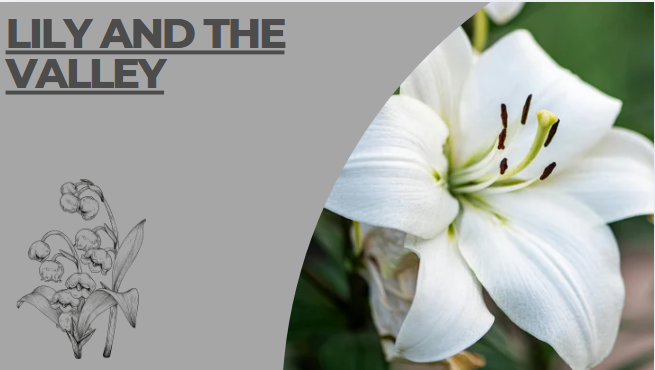
Lily of the Valley: Complete Guide to the Fragrant Spring Flower
Introduction
Lily of the valley is a small elegant flowering plant famous for its delicate white bell-shaped flowers and sweet fragrance. Despite its tiny appearance this woodland flower has a rich history deep symbolism medicinal importance and cultural significance around the world.
Known scientifically as Convallaria majalis lily of the valley is a perennial plant that grows naturally in cool temperate regions of Europe Asia and parts of North America. It is admired by gardeners for its beautiful blooms ground-covering ability and pleasant scent but it also requires careful handling because the entire plant is toxic if eaten.
This complete guide covers everything about lily of the valley including its meaning history appearance growing requirements care tips uses toxicity and interesting facts.
What Is Lily of the Valley?
Lily of the valley is a herbaceous perennial plant belonging to the Asparagaceae family. It grows from underground stems called rhizomes and spreads naturally to form dense colonies.
The plant produces small white bell-shaped flowers that hang from thin stems above green leaves. These flowers usually bloom in spring and release a strong sweet fragrance that has made the plant popular in perfumes and gardens.
Scientific Classification
| Category | Details |
| Common Name | Lily of the valley |
| Scientific Name | Convallaria majalis |
| Family | Asparagaceae |
| Plant Type | Perennial herb |
| Native Regions | Europe and parts of Asia |
| Flowering Season | Spring |
| Flower Color | White sometimes pink varieties |
| Growth Habit | Ground-covering plant |
Lily of the Valley Appearance and Characteristics
Lily of the valley has a simple but distinctive appearance.
Flowers
The flowers are the most recognizable feature of the plant. They are:
- Small and bell-shaped
- Usually pure white
- Arranged along a curved flower stalk
- Highly fragrant
- About 5–10 millimeters wide
Each flower resembles a tiny hanging bell which contributes to the plant’s charm and popularity.
Leaves
The plant produces:
- Broadoval-shaped green leaves
- Smooth leaf surfaces
- Leaves growing in pairs or small groups
- A height of approximately 15–30 centimeters
The leaves remain attractive even after flowering and help the plant function as a ground cover.
Roots and Growth
Lily of the valley spreads through underground rhizomes called pips. These underground structures allow the plant to expand quickly in suitable conditions.
History and Origin of Lily of the Valley
Lily of the valley has been valued for centuries because of its beauty fragrance and symbolism.
The plant is native to:
- Europe
- Northern Asia
- Some regions of North America where it has been introduced
In European traditions lily of the valley has long been associated with spring renewal and happiness. Its arrival after winter made it a symbol of hope and new beginnings.
The flower became especially important in France where it is celebrated on May 1st during La Fête du Muguet (Lily of the Valley Day). On this day people traditionally give sprigs of lily of the valley as gifts to wish happiness and good luck.
Lily of the Valley Meaning and Symbolism
Lily of the valley carries many symbolic meanings across cultures.
Common Meanings
The flower commonly represents:
Purity
The white flowers symbolize innocence cleanliness and simplicity.
Happiness and Good Fortune
Many cultures associate lily of the valley with joy luck and positive beginnings.
Renewal
Because it blooms in spring it represents fresh starts and the return of life after winter.
Love and Devotion
Its sweet fragrance and delicate appearance have made it a popular flower for romantic occasions.
Lily of the Valley in Different Cultures
France
In France lily of the valley is a traditional symbol of happiness and good luck. People give bouquets of the flower on May 1st as a gesture of friendship and affection.
Christianity
Some traditions connect lily of the valley with humility and purity. According to Christian legends the flowers are sometimes associated with tears shed by the Virgin Mary.
Weddings
The flower has been used in wedding bouquets because of its associations with:
- Pure love
- Happiness
- New beginnings
- Lasting relationships
Where Does Lily of the Valley Grow?
Lily of the valley prefers cool shaded environments similar to forest floors.
It commonly grows in:
- Woodland areas
- Shaded gardens
- Under trees
- Along forest edges
- Moistrich soil environments
The plant thrives in regions with mild summers and cold winters.
How to Grow Lily of the Valley
Lily of the valley is relatively easy to grow when planted in suitable conditions.
Choosing a Location
The best location should have:
- Partial shade to full shade
- Protection from strong afternoon sunlight
- Moist but well-draining soil
- Organic-rich ground
Although it can tolerate some sunlight in cooler climates excessive heat and direct sun may damage the leaves.
Soil Requirements
Lily of the valley prefers:
- Fertile soil
- Slightly acidic to neutral soil
- Moist conditions
- Good drainage
Adding compost or organic matter can improve soil quality and encourage healthy growth.
Planting Lily of the Valley
The plant is usually grown from rhizomes called pips.
Planting Steps
- Choose a shady planting area.
- Prepare moistfertile soil.
- Plant the pips just below the soil surface.
- Space them several centimeters apart.
- Water thoroughly after planting.
The plants may take time to establish but can spread naturally once they begin growing.
Lily of the Valley Care Guide
Watering
Keep the soil consistently moist especially during dry periods.
Avoid:
- Waterlogged soil
- Extremely dry conditions
Fertilizing
Lily of the valley usually does not require heavy feeding. A layer of compost in spring is often enough.
Pruning
After flowering:
- Remove damaged leaves
- Allow healthy foliage to remain
- Cut back dead growth in late autumn
The leaves help the plant store energy for future growth.
How Fast Does Lily of the Valley Spread?
Lily of the valley can spread quickly under ideal conditions.
It spreads through underground rhizomes and can create a dense carpet of plants over time.
This makes it useful as:
- A woodland ground cover
- A shade garden plant
- A natural landscape feature
However in some areas it can become invasive so gardeners should monitor its growth.
Lily of the Valley Varieties
Several varieties and cultivars exist.
Convallaria majalis
The most common species producing traditional white flowers.
Rosea
A pink-flowering variety with soft rose-colored blooms.
Variegata
A decorative variety featuring striped or patterned leaves.
Fortin’s Giant
A larger-growing form with bigger flowers.
Is Lily of the Valley Poisonous?
Yes. Lily of the valley is toxic if consumed.
All parts of the plant contain compounds called cardiac glycosides which can affect the heart.
Poisonous parts include:
- Flowers
- Leaves
- Stems
- Berries
- Roots
Symptoms of Poisoning
Eating lily of the valley may cause:
- Nausea
- Vomiting
- Stomach pain
- Dizziness
- Irregular heartbeat
- Serious heart complications in severe cases
Children and pets should be prevented from chewing the plant.
Lily of the Valley and Pets
Lily of the valley can be dangerous for:
- Dogs
- Cats
- Other household animals
If a pet eats any part of the plant veterinary advice should be sought promptly.
Uses of Lily of the Valley
Ornamental Gardening
The most common use is as a decorative garden plant.
It is valued for:
- Fragrant flowers
- Shade tolerance
- Attractive leaves
- Natural spreading ability
Perfume Industry
Lily of the valley fragrance is widely used in perfumes and cosmetics.
Because extracting natural scent from the flower is difficult many fragrances use synthetic compounds that recreate its aroma.
Traditional Medicine
Historically lily of the valley was used in traditional remedies. However because it contains powerful heart-affecting compounds modern use requires medical supervision.
Lily of the Valley in Perfumes
The flower’s fragrance is one of the most recognizable floral scents.
Its aroma is often described as:
- Fresh
- Sweet
- Clean
- Green
- Slightly floral
Many luxury perfumes include lily-of-the-valley notes to create a spring-like fragrance.
Lily of the Valley vs. Other Similar Flowers
Some plants may resemble lily of the valley but are different species.
Lily of the Valley vs. Snowdrops
| Feature | Lily of the Valley | Snowdrops |
| Flower Shape | Hanging bells | Drooping teardrops |
| Bloom Time | Spring | Late winter/early spring |
| Leaves | Broad and oval | Narrow and grass-like |
| Fragrance | Strong sweet scent | Mild scent |
Lily of the Valley vs. Solomon’s Seal
Both are woodland plants but Solomon’s seal usually has larger elongated flowers and a different growth pattern.
Interesting Facts About Lilys of the Valleys
- Lilys of the valleys is the national flower of Finland.
- It is traditionally given as a May Day gift in France.
- The plant’s scientific nameConvallaria majalis means lily of the valley belonging to May.
- Despite its delicate appearanceit can survive cold winters.
- The plant has been used as a symbol of happiness and renewal for centuries.
- Its fragrance is among the most recognizable floral scents in the perfume industry.
Frequently Asked Questions About Lilys of the Valleys
Is lilys of the valleys easy to grow?
Yes it is easy to grow in cool shaded areas with moist soil. Once established it can spread naturally.
Does lilys of the valleys come back every year?
Yes. It is a perennial plant that returns each spring.
Does lilys of the valleys need sunlight?
It prefers shade or partial shade. Too much direct sunlight can harm the plant.
How long do lilys of the valleys flowers last?
The flowers usually bloom for several weeks during spring.
Can lilys of the valleys grow indoors?
It can be grown indoors temporarily but it generally performs best outdoors in suitable climates.
Is lilys of the valleys safe to touch?
Touching the plant is generally not dangerous but it should not be eaten. Washing hands after handling is recommended especially around children and pets.
Final Thoughts
Lilys of the valleys is a remarkable flower that combines beauty fragrance history and symbolism. Its delicate white blooms and sweet scent have made it one of the world’s most beloved spring flowers.
Although it is easy to grow and highly attractive in gardens its toxicity means it should be handled responsibly. With the right conditions—shade moisture and rich soil—lilys of the valleys can create a beautiful natural ground cover and bring a touch of woodland elegance to any landscape.
Whether admired for its cultural meaning used in perfumes or grown for its charming flowers lilys of the valleys remains a timeless symbol of spring purity and happiness.