
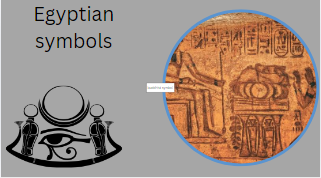
Egyptian Symbols: Meanings History and Powerful Ancient Egyptian Signs
Discover the meaning of Egyptian symbols including the Ankh Eye of Horus Scarab Djed Pillar and more. Learn their history spiritual significance and role in Ancient Egyptian culture.
Egyptian Symbols: The Ultimate Guide to Ancient Egyptian Signs and Their Meanings
Egyptian symbols are among the most fascinating and recognizable symbols in human history. Originating from one of the world’s oldest civilizations these powerful signs represented religion spirituality protection life death royalty and the universe itself. For thousands of years Ancient Egyptians used symbols in temples tombs jewelry hieroglyphics and sacred ceremonies.
Today Egyptian symbols continue to inspire historians archaeologists spiritual practitioners artists and people interested in ancient civilizations. From the famous Ankh and Eye of Horus to the Scarab Beetle and Djed Pillar these symbols carry profound meanings that have survived for over 5 000 years.
In this comprehensive guide we’ll explore the most important Egyptian symbols their meanings origins and significance in Ancient Egyptian culture.
What Are Egyptian Symbols?
Egyptian symbols are visual representations used by the people of Ancient Egypt to communicate religious beliefs cosmic principles royal authority and spiritual protection.
These symbols appeared in:
- Hieroglyphic writing
- Temple carvings
- Tomb paintings
- Religious artifacts
- Jewelry and amulets
- Statues and monuments
- Sacred texts
Unlike modern symbols that often have a single meaning Egyptian symbols frequently carried multiple layers of symbolism involving mythology spirituality and everyday life.
The Importance of Symbols in Ancient Egypt
Ancient Egyptians believed symbols possessed magical and divine power. They were not merely decorative elements but sacred tools connected to the gods and the afterlife.
Symbols helped Egyptians:
- Seek protection from evil
- Connect with deities
- Ensure safe passage into the afterlife
- Demonstrate social status
- Represent universal truths
- Preserve religious teachings
Many symbols were worn as amulets because they were believed to bring luck health prosperity and spiritual protection.
The Ankh: Symbol of Life
☥
The Ankh is perhaps the most famous Egyptian symbol.
Meaning of the Ankh
The Ankh represents:
- Eternal life
- Immortality
- Vitality
- Divine power
- Rebirth
Often called the Key of Life or Cross of Life the Ankh was commonly depicted in the hands of Egyptian gods and pharaohs.
Symbolism
The loop at the top is believed to symbolize:
- The sun
- The heavens
- Eternal existence
The cross below may represent:
- Earthly life
- The union of masculine and feminine energies
Ancient Egyptians believed the Ankh granted life both in the physical world and in the afterlife.
Eye of Horus: Protection and Healing
𓂀
The Eye of Horus is one of the most recognized symbols from Ancient Egypt.
Origins
According to mythology the god Horus lost his eye during a battle with Set. The eye was later restored through divine intervention.
Meaning
The Eye of Horus symbolizes:
- Protection
- Healing
- Restoration
- Health
- Divine power
Ancient Egyptians wore Eye of Horus amulets to protect themselves from danger and negative forces.
Modern Usage
Today the Eye of Horus remains a popular symbol in:
- Jewelry
- Tattoos
- Spiritual practices
- Art and fashion
Eye of Ra: Symbol of Power
The Eye of Ra is often confused with the Eye of Horus.
Meaning
The Eye of Ra represents:
- Solar energy
- Destruction of evil
- Royal authority
- Divine protection
Unlike the healing-focused Eye of Horus the Eye of Ra symbolizes the fierce and protective power of the sun god Ra.
The Scarab Beetle
The Scarab is one of the most important Egyptian symbols.
Meaning
The Scarab symbolizes:
- Rebirth
- Transformation
- Resurrection
- Protection
- Good fortune
Ancient Egyptians observed scarab beetles rolling balls of dung and associated this behavior with the movement of the sun across the sky.
Religious Significance
The Scarab was linked to the god Khepri who represented the rising sun and renewal.
Many Egyptians wore scarab amulets to attract prosperity and protection.
The Djed Pillar
The Djed Pillar is one of the oldest Egyptian symbols.
Meaning
The Djed represents:
- Stability
- Strength
- Endurance
- Permanence
Connection to Osiris
The Djed Pillar was associated with the god Osiris ruler of the underworld.
It symbolized:
- Resurrection
- Eternal life
- Cosmic order
The raising of the Djed was an important religious ceremony celebrating renewal and stability.
The Was Scepter
The Was Scepter appears frequently in Egyptian artwork.
Meaning
It symbolizes:
- Power
- Authority
- Dominion
- Divine control
Gods and pharaohs are often depicted carrying the Was Scepter as a sign of their influence over both earthly and spiritual realms.
The Shen Ring
The Shen Ring is a circular symbol representing eternity.
Meaning
The Shen symbolizes:
- Infinity
- Protection
- Eternal cycles
- Completeness
Because the circle has no beginning or end it represented endless existence and divine protection.
Many protective amulets incorporated the Shen Ring.
The Lotus Flower
The Lotus Flower was deeply significant in Ancient Egypt.
Meaning
The Lotus symbolizes:
- Creation
- Rebirth
- Purity
- Enlightenment
The flower closes at night and opens with the sunrise making it a natural symbol of resurrection and renewal.
The blue lotus was especially sacred in Egyptian culture.
The Feather of Ma’at
The Feather of Ma’at represented truth and justice.
Who Was Ma’at?
Ma’at was the goddess of:
- Truth
- Balance
- Harmony
- Justice
- Cosmic order
Judgment in the Afterlife
In Egyptian mythology a deceased person’s heart was weighed against Ma’at’s feather.
If the heart was lighter than the feather the soul could enter paradise.
This belief made the feather one of the most important symbols of morality and righteousness.
The Uraeus Cobra
The Uraeus is the upright cobra often seen on pharaohs’ crowns.
Meaning
The Uraeus symbolizes:
- Royal authority
- Divine protection
- Sovereignty
- Power
It represented the goddess Wadjet protector of Lower Egypt.
The cobra was believed to spit fire at enemies of the king.
The Pyramid Symbol
Although pyramids are structures rather than traditional symbols they hold deep symbolic meaning.
Symbolism
The pyramid represents:
- Ascension
- Eternal life
- Connection between earth and heaven
- Spiritual transformation
The shape mirrors the sun’s rays descending to earth.
The famous pyramids of Giza remain enduring symbols of Egyptian civilization.
The Sphinx
The Sphinx combines a lion’s body with a human head.
Meaning
The Sphinx symbolizes:
- Wisdom
- Strength
- Guardianship
- Royal power
The Great Sphinx served as a protective guardian near sacred sites and royal tombs.
Egyptian Hieroglyph Symbols
Hieroglyphics formed Ancient Egypt’s writing system.
Purpose
Hieroglyphs were used for:
- Religious texts
- Historical records
- Government documents
- Monument inscriptions
Many hieroglyphs functioned as symbols carrying both phonetic and spiritual meanings.
Examples include:
- Birds
- Snakes
- Eyes
- Suns
- Water waves
- Human figures
Sacred Animals in Egyptian Symbolism
Animals played an important role in Egyptian religion.
Cat
Cats symbolized:
- Protection
- Grace
- Fertility
They were associated with the goddess Bastet.
Falcon
The falcon represented:
- Horus
- Kingship
- Divine vision
Jackal
Associated with Anubis the jackal symbolized:
- Mummification
- Protection of tombs
- Guidance of souls
Crocodile
Linked to Sobek the crocodile represented:
- Strength
- Military power
- Fertility
Egyptian Symbols in Religion
Egyptian religion relied heavily on symbolism.
Every major deity possessed symbolic objects and animals.
Examples include:
| Deity | Symbol |
| Horus | Falcon Eye of Horus |
| Ra | Sun Disk |
| Osiris | Djed Pillar |
| Isis | Throne Symbol |
| Anubis | Jackal |
| Bastet | Cat |
| Thoth | Ibis |
These symbols helped worshippers identify and connect with divine powers.
Egyptian Symbols in Modern Culture
Today Egyptian symbols continue to influence modern society.
They appear in:
- Jewelry
- Tattoos
- Movies
- Video games
- Books
- Architecture
- Fashion
Popular symbols such as the Ankh and Eye of Horus are frequently used as spiritual and artistic motifs.
Their timeless appeal comes from their rich history and universal meanings.
Why Egyptian Symbols Remain Popular
Several factors contribute to the lasting popularity of Egyptian symbols:
Mystery
Ancient Egypt remains one of history’s most mysterious civilizations.
Spiritual Meaning
Many symbols represent universal themes:
- Life
- Death
- Protection
- Wisdom
- Rebirth
Visual Beauty
Egyptian artwork combines elegance symmetry and symbolism.
Historical Importance
These symbols provide insight into one of humanity’s greatest civilizations.
Common Egyptian Symbols and Meanings
| Symbol | Meaning |
| Ankh | Eternal Life |
| Eye of Horus | Protection and Healing |
| Eye of Ra | Power and Authority |
| Scarab | Rebirth and Transformation |
| Djed Pillar | Stability and Strength |
| Was Scepter | Power and Control |
| Shen Ring | Eternity and Protection |
| Lotus Flower | Rebirth and Purity |
| Feather of Ma’at | Truth and Justice |
| Uraeus Cobra | Royal Authority |
| Pyramid | Ascension and Eternity |
| Sphinx | Wisdom and Guardianship |
Frequently Asked Questions About Egyptian Symbols
What is the most famous Egyptian symbol?
The Ankh is generally considered the most famous Egyptian symbol because it represents eternal life and appears throughout Egyptian art and religion.
What does the Eye of Horus symbolize?
The Eye of Horus symbolizes protection healing restoration and divine guidance.
Why were Egyptian symbols important?
Egyptians believed symbols possessed spiritual power and could provide protection prosperity and connection to the gods.
What does the Scarab Beetle represent?
The Scarab symbolizes rebirth transformation resurrection and good fortune.
Are Egyptian symbols still used today?
Yes. Egyptian symbols remain popular in jewelry tattoos fashion spiritual practices and artistic design worldwide.
Conclusion
Egyptian symbols are far more than ancient decorative designs. They are powerful representations of life death rebirth protection wisdom truth and divine authority. From the Ankh and Eye of Horus to the Scarab Beetle and Djed Pillar these symbols reveal the spiritual depth and cultural sophistication of Ancient Egypt.
Thousands of years after the rise of the pharaohs Egyptian symbols continue to captivate people around the world. Their enduring meanings artistic beauty and historical significance ensure that they remain some of the most recognizable and influential symbols ever created.
SEO Keywords Included: Egyptian symbols ancient Egyptian symbols Ankh symbol Eye of Horus Eye of Ra Scarab Beetle Djed Pillar Egyptian hieroglyphics Egyptian mythology symbols Egyptian religious symbols ancient Egypt signs Egyptian amulets symbols of Ancient Egypt Egyptian culture Egyptian gods and symbols.