
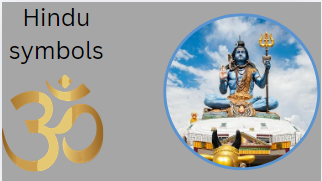
Hindu Symbols: Meaning History Types and Spiritual Significance (SEO-Friendly Guide)
>>>>>>>>>>>>>>>>>>>>>>>>>>>>>>>>>>>>>>>>>>>>>>>>>>>>>>>>>>>>>>>>>>>>>>>>>>>>>>>>>>>>>>Explore the most important Hindu symbols their meanings spiritual significance and cultural relevance. Learn about Om Swastika Trishula Lotus and more sacred Hindu symbols in this complete guide.
Introduction to Hindu Symbols
Hindu symbols are sacred visual representations deeply rooted in the spiritual traditions of Hinduism. These symbols are not just artistic designs; they carry profound philosophical meanings spiritual teachings and cosmic principles that have been passed down for thousands of years.
In Hindu culture symbols are used in temples rituals meditation yoga festivals and daily worship. Each symbol represents a deeper truth about the universe life divinity and human consciousness.
From the sacred sound Om (Aum) to the auspicious Swastika Hindu symbols form a bridge between the physical and spiritual world.
Importance of Hindu Symbols in Spiritual Life
Hindu symbols serve multiple purposes:
- They represent divine energies and deities
- They guide meditation and spiritual focus
- They bring protection and positivity
- They are used in rituals and ceremonies
- They preserve ancient Vedic knowledge
In Hindu philosophy everything in the universe is interconnected and symbols help humans understand this cosmic unity.
1. Om (Aum) – The Sound of the Universe
The most sacred symbol in Hinduism is Om (ॐ). It is considered the primordial sound from which the universe was created.
Meaning of Om:
- A = Creation
- U = Preservation
- M = Destruction
Together Om represents the cycle of existence.
Spiritual Significance:
- Used in meditation and yoga
- Represents ultimate reality (Brahman)
- Symbolizes peace consciousness and universal energy
Om is often chanted at the beginning and end of prayers to align mind and spirit.
2. Swastika – Symbol of Prosperity and Good Fortune
The Swastika is one of the oldest Hindu symbols and is widely misunderstood in modern times. In Hindu tradition it represents good luck prosperity and well-being.
Meaning:
-
- Su means good
- Asati means existence
So Swastika means &
- amp;
- amp;
- amp;
- amp;
- amp;
- amp;
- amp;
- amp;
- amp;
- amp;
- lt;e
- m>go
- od e
- xist
- ence
Spiritual Significance:
-
- Symbol of auspicious beginnings
- Represents the sun and cosmic order
- Used in festivals weddings and rituals
</ul
></p></p></p></p&gt;</p></p></p>
It is important to understand that the Hindu Swastika is a sacred symbol completely different
from
its
mode
rn m
isus
e in
hist
-
- ory.
3. Trishula – The Divine Trident
The Trishula (Trident) is the weapon of Lord Shiva one of the most powerful deities in Shiva.
Meaning:
The three prongs represent:
-
-
- Creation
- Preservation
- Destruction
-
Symbolism:
-
-
- Control over mind body and soul
- Balance of cosmic energies
- Protection against evil forces
-
The Trishula is widely seen in temples and spiritual artwork.
4. Lotus Flower – Symbol of Purity and Enlightenment
The lotus flower is a sacred symbol in Hinduism and is often associated with purity beauty and spiritual awakening.
Meaning:
-
-
- Rising above mud represents rising above ignorance
- Spiritual growth and enlightenment
- Purity of heart and mind
-
Deities like Lakshmi and Saraswati are often shown sitting on a lotus.
5. Conch Shell (Shankha) – Symbol of Sacred Sound
The Shankha (conch shell) is an important ritual object in Hindu worship.
Meaning:
-
-
- Sacred sound of creation
- Victory and power
- Purity and divine energy
-
Usage:
- Blown durin
- g te
- mple
- rit
-
-
-
-
- uals
- Used in religious ceremonies
- Represents the call of dharma
</ul
</ul>
-
</u
-
-
l>
></p>&l</p>
-
-
-
-
- tyle-type: none;”>
-
-
-
-
- t;/p></p
></<</li>
-
/ul></li>
-
</
-
ul>p></li></li<ul>>
-
</
- tyle-type: none;”>
</
-
ul>ul>
-
</ul>
-
</p>
<p>It is also as
soci
ated
with
Lord
Vis
-
-
-
-
- hnu.
-
-
-
6. Tilaka – Symbol of Identity and Devotion
The Tilaka is a mark applied on the forehead using sandalwood paste ash or sacred powders.
Meaning:
-
-
-
-
-
- Spiritual identity
- Devotion to a deity
- Activation of spiritual energy
-
-
-
-
Different sects of Hinduism use different tilaka styles to represent their beliefs and traditions.
7. Kalasha – Symbol of Abundance and Life
The Kalasha is a sacred pot filled with water decorated with mango leaves and a coconut.
Meaning:
-
-
-
-
-
- Abundance and prosperity
- Source of life energy
- Divine presence
-
-
-
-
Use in Rituals:
-
-
-
-
-
- Weddings
- Temple ceremonies
- Festivals like Diwali and Navratri
-
-
-
-
The Kalasha represents the universe itself.
8. Sudarshana Chakra – Divine Disc of Protection
The Sudarshana Chakra is the spinning weapon of Lord Vishnu the preserver of the universe.
Associated Deity:
Vishnu
Meaning:
-
-
-
-
-
- Protection from evil
- Cosmic order (Dharma)
- Power of time and justice
-
-
-
-
The chakra symbolizes the unstoppable force of righteousness.
9. Rudraksha – Beads of Spiritual Power
Rudraksha beads are sacred seeds used in prayer and meditation.
Meaning:
-
-
-
-
-
- Connection to Lord Shiva
- Mental peace and focus
- Spiritual awakening
-
-
-
-
These beads are commonly worn as malas (necklaces) by devotees.
10. Om Namah Shivaya – Sacred Mantra Symbolism</h3>
iva.
Meaning:
-
-
- Bowing to divine consciousness
- Destroying ego
- Inner transformation
-
This mantra is deeply connected with meditation practices in Hindu traditions.
Hindu Symbols in Temples and Architecture
Hindu temples are filled with symbolic designs:
-
-
- Carvings of Om and Swastika
- Statues of deities
- Lotus patterns in ceilings
- Trishula placed at entrances
-
These symbols are not decorative alone; they are meant to elevate spiritual consciousness.
Hindu Symbols in Festivals and Rituals
Symbols play a major role in Hindu festivals:
Diwali:
-
-
- Swastika drawn for prosperity
- Kalasha used in puja
-
Navratri:
-
-
- Goddess symbols and yantras
-
Holi:
-
-
- Spiritual symbolism of victory of good over evil
-
Weddings:
-
-
- Kalasha and tilaka rituals for blessings
-
Modern Usage of Hindu Symbols
Today Hindu symbols are widely used in:
-
-
- Yoga studios worldwide
- Meditation apps and practices
- Tattoos and fashion
- Interior decoration
- Digital art and branding
-
SEO Keywords for Hindu Symbols Article
To rank higher on Google and AI search engines these keywords are important:
-
-
- Hindu symbols meaning
- sacred Hindu symbols list
- Om symbol significance
- Swastika Hindu meaning
- Trishula symbol Shiva
- Hindu spiritual symbols
- Hindu religious signs and meanings
- lotus flower symbolism Hinduism
- Hindu ritual symbols explained
-
Cultural and Philosophical Significance
In Hinduism symbols are not separate from spirituality—they are expressions of divine truth. Hindu philosophy teaches that the universe itself is symbolic and every form has deeper meaning.
Symbols help practitioners:
-
-
- Understand cosmic laws
- Strengthen devotion
- Connect with divine energy
-
Conclusion
Hindu symbols are powerful spiritual tools that represent the core teachings of Hinduism. From Om to the Swastika from the Lotus to the Trishula each symbol carries deep philosophical meaning and spiritual wisdom.