
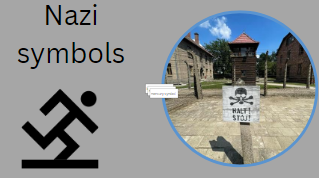
Nazi Symbols: History Meanings Legal Restrictions and Modern Context
Learn about Nazi symbols their historical origins meanings use during World War II legal restrictions in different countries and how these symbols are viewed today.
Nazi Symbols: A Complete Guide to History Meaning and Modern Significance
Nazi symbols are among the most recognizable and controversial symbols in modern history. Associated with the National Socialist German Workers’ Party (NSDAP) Nazi symbols became powerful tools of propaganda political messaging and ideological control during the rule of Adolf Hitler in Germany from 1933 to 1945.
Today these symbols are widely recognized as representations of fascism antisemitism racism authoritarianism and the atrocities committed during World War II and the Holocaust. Understanding Nazi symbols is important for historical education academic research and recognizing extremist imagery in modern contexts.
This comprehensive guide explores the origins meanings historical use legal status and cultural impact of Nazi symbols.
What Are Nazi Symbols?
Nazi symbols are visual emblems insignia flags signs and imagery used by Nazi Germany and affiliated organizations. These symbols were designed to create a strong collective identity promote political ideology and reinforce loyalty to the Nazi regime.
The most well-known Nazi symbol is the swastika but many other symbols were also used by Nazi organizations military units and political groups.
Common Nazi symbols include:
- Swastika
- Eagle emblem
- SS runes
- Totenkopf (Death’s Head)
- Iron Cross
- Black Sun (Sonnenrad)
- Hitler Youth insignia
- Reichsadler (Imperial Eagle)
- Party badges and armbands
Each symbol carried specific meanings and served different purposes within Nazi propaganda and governance.
The Swastika: The Most Recognized Nazi Symbol
The swastika became the primary symbol of Nazi Germany.
Origins of the Swastika
The swastika is an ancient symbol that existed thousands of years before the Nazi Party. It appeared in:
- Hinduism
- Buddhism
- Jainism
- Ancient European cultures
- Indigenous art and architecture
Historically the swastika often represented:
- Good fortune
- Prosperity
- Spirituality
- Well-being
- Cosmic harmony
Nazi Adoption of the Swastika
The Nazi Party adopted the swastika in the early 1920s.
Adolf Hitler described the symbol as representing:
- Nationalism
- Aryan identity
- Party unity
The Nazi flag featured:
- Red background
- White circle
- Black swastika
Following World War II the symbol became globally associated with:
- Genocide
- Antisemitism
- Racism
- Fascism
- Totalitarianism
Because of this association many countries restrict its public display.
The Reichsadler (Nazi Eagle)
The Reichsadler often called the Nazi Eagle was another major symbol of the Third Reich.
Design
The eagle was typically depicted:
- With spread wings
- Perched above a wreath
- Holding a swastika
Meaning
The eagle symbolized:
- Power
- Authority
- National strength
- State control
The eagle appeared on:
- Government documents
- Military uniforms
- Coins
- Official seals
- Public buildings
The Reichsadler became one of the most visible symbols of Nazi state power.
SS Runes
The Schutzstaffel (SS) was one of the most influential organizations in Nazi Germany.
Appearance
The SS symbol consisted of two lightning-bolt-like runes.
Purpose
The SS runes represented:
- Loyalty to the Nazi regime
- Elite military status
- Ideological commitment
The SS was responsible for:
- Security operations
- Concentration camp administration
- War crimes
- Enforcement of Nazi policies
As a result the SS symbol is heavily associated with crimes against humanity.
Totenkopf (Death’s Head)
The Totenkopf meaning Death’s Head featured a skull and crossbones design.
Historical Origins
The symbol existed before Nazi Germany and was used by:
- Prussian military units
- European cavalry formations
Nazi Use
The Nazis adopted the Totenkopf for:
- SS divisions
- Concentration camp guards
- Military insignia
The symbol came to represent:
- Militarism
- Fear
- Loyalty to the regime
Today it is often recognized as a symbol connected to Nazi atrocities.
The Iron Cross
The Iron Cross has a more complex history than many Nazi symbols.
Origins
The Iron Cross originated in Prussia during the 19th century.
It was awarded for military bravery and service.
Use During Nazi Germany
The Nazi government incorporated the Iron Cross into military awards.
Many versions included:
- A swastika
- Nazi insignia
Modern Context
Unlike the swastika the Iron Cross predates Nazism and continues to influence military symbolism in some contexts.
However Nazi-era versions remain controversial due to their historical associations.
Hitler Youth Symbols
The Hitler Youth organization was created to indoctrinate German children and teenagers into Nazi ideology.
Common Insignia
Symbols included:
- Swastikas
- Uniform badges
- Special flags
- Membership emblems
Purpose
The symbols promoted:
- Obedience
- Nationalism
- Party loyalty
Millions of young Germans were exposed to Nazi propaganda through these symbols and organizations.
The Black Sun (Sonnenrad)
The Black Sun has become one of the most discussed extremist symbols in recent decades.
Historical Background
The symbol consists of multiple radial patterns arranged in a circular design.
It gained attention because of its presence in Nazi-era architecture associated with SS leadership.
Modern Use
Today some extremist groups have adopted the Black Sun as a symbol.
Because of this researchers educators and law enforcement agencies often monitor its use in extremist contexts.
The Black Sun is frequently discussed in studies of neo-Nazi movements and far-right extremism.
Nazi Flags and Banners
Visual propaganda played a critical role in Nazi Germany.
Characteristics
Nazi banners often featured:
- Red backgrounds
- White circles
- Black swastikas
Purpose
These flags were designed to:
- Create unity
- Display political power
- Encourage public conformity
- Reinforce ideology
Mass rallies frequently displayed thousands of flags and banners to create powerful visual spectacles.
Nazi Symbols and Propaganda
Nazi leaders understood the power of visual communication.
Why Symbols Were Important
Symbols helped:
- Simplify political messages
- Create group identity
- Inspire loyalty
- Influence public perception
The Nazi government used symbols across:
- Posters
- Newspapers
- Films
- Uniforms
- Architecture
- Education
This extensive use made Nazi imagery central to the regime’s propaganda machine.
Nazi Symbols During World War II
During World War II Nazi symbols spread throughout territories occupied by Germany.
They appeared on:
- Military vehicles
- Aircraft
- Naval vessels
- Government buildings
- Official documents
These symbols became representations of German military authority and occupation.
As the war progressed they increasingly became associated with violence oppression and genocide.
Nazi Symbols and the Holocaust
The Holocaust resulted in the murder of approximately six million Jews and millions of other victims.
Because Nazi symbols were displayed throughout this period they are deeply connected to:
- Concentration camps
- Deportations
- Mass killings
- Systematic persecution
For many communities these symbols evoke memories of profound suffering and loss.
Legal Restrictions on Nazi Symbols
Many countries regulate or prohibit the display of Nazi symbols.
Germany
Germany has some of the strictest laws regarding Nazi imagery.
Exceptions may exist for:
- Education
- Academic research
- Journalism
- Museums
- Historical documentation
Austria
Austria also restricts Nazi symbols and propaganda.
Other Countries
Regulations vary widely.
Some countries prohibit:
- Public display
- Distribution
- Promotion
Others allow display under free speech protections while restricting extremist activities.
Anyone researching or displaying historical materials should understand local laws.
Neo-Nazi Use of Symbols
After World War II neo-Nazi groups emerged in several countries.
Adapted Symbols
Some groups use:
- Modified swastikas
- Number codes
- Alternative insignia
- Black Sun imagery
These adaptations are sometimes intended to evade legal restrictions.
Researchers often study these symbols to understand extremist recruitment and communication methods.
Recognizing Nazi Symbols in Modern Society
Understanding Nazi symbols can help individuals:
- Identify extremist propaganda
- Understand historical references
- Interpret museum exhibits
- Recognize hate-related imagery
Education remains one of the most effective tools for preventing misinformation and historical revisionism.
Nazi Symbols in Museums and Education
Museums and educational institutions frequently display Nazi symbols for historical purposes.
Examples include:
- World War II exhibits
- Holocaust museums
- Academic textbooks
- Documentary films
The goal is not promotion but historical understanding and remembrance.
Educational contexts help people learn about:
- The rise of authoritarianism
- The dangers of propaganda
- Human rights violations
- The importance of democratic values
Frequently Asked Questions
What is the most famous Nazi symbol?
The swastika is the most recognized Nazi symbol worldwide.
Did the swastika exist before Nazism?
Yes. The swastika existed for thousands of years in many cultures before being adopted by the Nazi Party.
Are Nazi symbols illegal?
The legality varies by country. Some nations prohibit public display while others allow it in specific contexts such as education and research.
What is the Black Sun symbol?
The Black Sun is a circular design associated with certain Nazi-era contexts and has been adopted by some modern extremist groups.
Why are Nazi symbols controversial?
They are linked to genocide racism antisemitism World War II and the Holocaust.
Conclusion
Nazi symbols remain among the most powerful and controversial images in modern history. From the swastika and SS runes to the Reichsadler and Black Sun these symbols played major roles in the propaganda and ideology of Nazi Germany.
Today they serve as reminders of the dangers of extremism authoritarianism hatred and discrimination. Studying Nazi symbols in educational and historical contexts helps preserve accurate historical knowledge honors the victims of the Holocaust and promotes awareness of how symbols can influence societies.
Understanding their origins meanings and modern implications is essential for anyone studying World War II political history propaganda or human rights.