
Nuclear Symbol: Meaning History Design Uses and Global Significance
Discover the meaning of the nuclear symbol its history design colors uses safety standards radiation warning signs and global significance. Complete guide for students and researchers.
Nuclear Symbol
The nuclear symbol is one of the most recognizable warning signs in the world. Often associated with radiation nuclear power plants atomic energy and radioactive materials this symbol serves as a critical safety indicator that warns people about potential exposure to ionizing radiation.
From scientific laboratories and medical facilities to nuclear reactors and military installations the nuclear symbol has become a universal language of caution and awareness. Understanding its meaning history and applications is essential for students researchers workers in the nuclear industry and the general public.
In this comprehensive guide we will explore the nuclear symbol’s origins design elements significance uses safety standards and its role in modern society.
What Is the Nuclear Symbol?
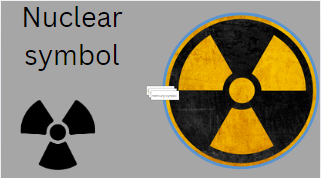
The nuclear symbol commonly known as the radiation warning symbol or radioactive symbol is a visual sign used to indicate the presence of radioactive materials or radiation-emitting equipment.
The traditional nuclear symbol consists of:
☢
This symbol features:
- A central circle
- Three triangular blades (trefoils) surrounding the circle
- Usually displayed in black or magenta on a yellow background
The symbol alerts individuals to the presence of hazardous ionizing radiation that may pose health risks if proper safety procedures are not followed.
Definition of the Nuclear Symbol
The nuclear symbol is an internationally recognized warning sign that indicates:
- Radioactive substances
- Radiation-producing equipment
- Nuclear facilities
- Areas with potential radiation hazards
- Nuclear waste storage locations
Its primary purpose is to prevent accidental exposure and promote safety awareness.
History of the Nuclear Symbol
Origins in the 1940s
The nuclear symbol was created in 1946 at the University of California Radiation Laboratory now known as the Lawrence Berkeley National Laboratory.
Scientists working with radioactive materials needed a visual warning sign that would be:
- Easily recognizable
- Unique
- Difficult to confuse with other symbols
The result was the now-famous trefoil radiation symbol.
Why the Trefoil Design Was Chosen
Several theories explain the symbol’s design.
The trefoil shape may represent:
- Radiation spreading outward from a central source
- Atomic energy emission
- A visual representation of danger
The design was intentionally simple to ensure recognition across different languages and cultures.
Evolution of the Nuclear Symbol
The original symbol used:
- Magenta trefoil
- Blue background
Over time safety organizations adopted:
- Black trefoil
- Yellow background
This color combination provided greater visibility and improved warning effectiveness.
Today the yellow-and-black version is the most widely used radiation symbol worldwide.
Components of the Nuclear Symbol
Central Circle
The circle represents:
- Radioactive source
- Nuclear material
- Radiation origin point
It acts as the focal point from which radiation appears to emanate.
Three Blades
The three blades surrounding the center symbolize:
- Radiation emission
- Hazard zones
- Spreading energy
The symmetrical arrangement improves visibility and recognition.
Yellow Background
Yellow is internationally associated with caution and warning.
Benefits include:
- High visibility
- Immediate attention
- Universal hazard recognition
Black or Magenta Trefoil
The dark trefoil contrasts sharply against yellow backgrounds making the symbol easy to identify from a distance.
Meaning of the Nuclear Symbol
The nuclear symbol does not necessarily mean immediate danger.
Instead it indicates:
- Radiation may be present
- Special precautions are required
- Authorized access may be needed
- Protective equipment may be necessary
The level of risk depends on the specific radioactive source and exposure conditions.
Nuclear Symbol vs Radiation Symbol
Many people use these terms interchangeably.
Nuclear Symbol
Refers broadly to:
- Nuclear energy
- Atomic science
- Radioactive materials
Radiation Symbol
Specifically warns about:
- Ionizing radiation
- Radioactive hazards
- Radiation exposure risks
In practical use both generally refer to the same trefoil sign.
International Radiation Symbol
The International Atomic Energy Agency (IAEA) and other safety organizations recognize the trefoil as the standard radiation warning symbol.
It appears in:
- Nuclear facilities
- Hospitals
- Research laboratories
- Waste storage sites
- Transportation containers
This universal recognition helps protect workers and the public.
The New Radiation Warning Symbol
In 2007 the International Atomic Energy Agency (IAEA) and the International Organization for Standardization (ISO) introduced an enhanced radiation warning symbol.
It includes:
- Traditional trefoil
- Skull and crossbones
- Running person
- Red background
The purpose is to communicate danger even to people unfamiliar with the traditional radiation symbol.
The enhanced symbol is primarily used on highly dangerous radioactive sources rather than general radiation areas.
Nuclear Symbol in Nuclear Power Plants
Nuclear power plants use radiation symbols extensively.
Common locations include:
- Reactor buildings
- Radiation-controlled areas
- Waste storage facilities
- Maintenance zones
- Security checkpoints
The symbol helps workers identify areas requiring radiation protection measures.
Nuclear Symbol in Medicine
Modern healthcare relies heavily on radioactive materials.
Applications include:
Nuclear Medicine
Used for:
- Diagnostic imaging
- PET scans
- SPECT scans
Areas handling radioactive isotopes display radiation warning signs.
Cancer Treatment
Radiation therapy departments use nuclear symbols to indicate:
- Radiation treatment rooms
- Radioactive source storage
- Restricted access areas
Nuclear Symbol in Scientific Research
Research institutions use radioactive materials for:
- Biological studies
- Chemical analysis
- Material science
- Physics experiments
The nuclear symbol helps maintain laboratory safety and compliance with regulations.
Nuclear Symbol and Nuclear Weapons
The nuclear symbol is often associated with:
- Atomic bombs
- Nuclear weapons
- Nuclear testing
While not specifically designed for military applications its connection to nuclear technology has made it a common symbol in discussions about nuclear warfare and disarmament.
Historical events influencing public perception include:
- Hiroshima Atomic Bombing
- Nagasaki Atomic Bombing
These events significantly shaped global awareness of nuclear technology.
Nuclear Symbol and Radioactive Waste
Radioactive waste facilities use the symbol to identify:
- Hazardous waste containers
- Long-term storage sites
- Transportation systems
- Disposal facilities
This helps prevent accidental exposure and unauthorized access.
Types of Radiation Associated with the Nuclear Symbol
Alpha Radiation
Characteristics:
- Heavy particles
- Low penetration
- Dangerous if inhaled or ingested
Beta Radiation
Characteristics:
- Higher penetration
- Can penetrate skin to some extent
- Requires shielding
Gamma Radiation
Characteristics:
- Extremely penetrating
- Requires dense shielding
- Common concern in nuclear facilities
Neutron Radiation
Characteristics:
- Produced in nuclear reactors
- Highly penetrating
- Requires specialized protection
Safety Measures Around Nuclear Symbols
When encountering a nuclear warning sign:
Follow Instructions
Always obey posted safety procedures.
Respect Restricted Areas
Do not enter controlled zones without authorization.
Wear Protective Equipment
Workers may require:
- Dosimeters
- Protective clothing
- Respiratory protection
Maintain Distance
Radiation exposure decreases significantly with increased distance from the source.
Follow Radiation Safety Principles
The three core principles are:
Time
Reduce exposure duration.
Distance
Increase distance from sources.
Shielding
Use protective barriers.
Nuclear Symbol Regulations
Various organizations regulate the use of radiation symbols.
Key authorities include:
- International Atomic Energy Agency
- International Organization for Standardization
- United States Nuclear Regulatory Commission
- World Health Organization
These organizations establish standards for:
- Sign placement
- Colors
- Labels
- Hazard communication
Nuclear Symbol in Popular Culture
The nuclear symbol appears frequently in:
- Movies
- Television shows
- Video games
- Music artwork
- Graphic design
Examples include post-apocalyptic themes science fiction stories and environmental activism campaigns.
Its visual impact makes it one of the most powerful warning icons ever created.
Nuclear Symbol and Environmental Concerns
The symbol is often used in discussions about:
- Nuclear energy
- Radioactive contamination
- Nuclear accidents
- Waste disposal
- Environmental protection
Major nuclear incidents that increased public awareness include:
- Chernobyl Disaster
- Fukushima Daiichi Nuclear Disaster
These events reinforced the importance of radiation warning systems worldwide.
Unicode and Digital Representation
The nuclear symbol can be displayed digitally using Unicode:
☢
Unicode Name:
Radioactive Sign
Unicode Code Point:
U+2622
It is supported by most modern operating systems browsers and mobile devices.
How to Type the Nuclear Symbol
Copy and Paste
The easiest method:
☢
Windows
Use Character Map or Unicode-supported applications.
Mac
Use the Character Viewer.
Linux
Insert Unicode character U+2622.
Mobile Devices
Many symbol keyboards and Unicode apps support the radioactive sign.
Nuclear Symbol in Education
Teachers use the nuclear symbol to explain:
- Atomic structure
- Radiation science
- Nuclear reactions
- Nuclear energy production
- Radiation protection
The symbol serves as an effective educational tool for introducing nuclear concepts.
Common Misconceptions About the Nuclear Symbol
Myth 1: The Symbol Means Immediate Death
Reality:
The symbol simply indicates radiation presence not guaranteed danger.
Myth 2: All Radiation Is Harmful
Reality:
Radiation has many beneficial uses in medicine science and industry.
Myth 3: Nuclear Facilities Are Always Dangerous
Reality:
Modern facilities operate under strict safety regulations and monitoring systems.
Importance of the Nuclear Symbol
The nuclear symbol remains essential because it:
- Protects human health
- Prevents accidents
- Communicates hazards universally
- Supports workplace safety
- Promotes radiation awareness
- Saves lives through hazard recognition
Its simplicity and universal recognition make it one of the most effective warning signs ever developed.
Frequently Asked Questions (FAQs)
What does the nuclear symbol mean?
The nuclear symbol warns that radioactive materials or radiation-producing equipment may be present.
Why is the nuclear symbol yellow and black?
Yellow attracts attention while black provides strong visual contrast for maximum visibility.
Is the nuclear symbol the same as the radiation symbol?
Yes. In most contexts both terms refer to the trefoil radiation warning sign.
Who created the nuclear symbol?
Scientists at the University of California Radiation Laboratory developed it in 1946.
What is the Unicode nuclear symbol?
The Unicode radioactive sign is ☢ with code point U+2622.
Where is the nuclear symbol used?
It is used in hospitals laboratories nuclear power plants waste storage facilities and industrial sites.
Conclusion
The nuclear symbol is far more than a simple warning sign. It represents decades of scientific advancement radiation safety nuclear energy development and global hazard communication. Recognized across cultures and languages the trefoil symbol helps protect millions of people by clearly identifying radioactive materials and radiation hazards.
Whether seen in a hospital research laboratory nuclear power station or educational textbook the nuclear symbols serves as a universal reminder of the power of nuclear science and the importance of responsible radiation safety. As nuclears technology continues to evolve this iconic symbols will remain a cornerstone of global safety and awareness for generations to come.