
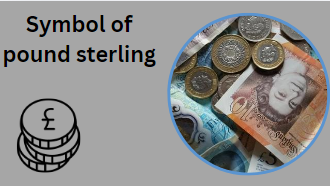
Symbol of Pound Sterling (£): Meaning History Usage and Global Significance
Symbol of Pound Sterling (£)
The symbol of Pound Sterling (£) is one of the most recognizable currency symbols in the world. Used to represent the British Pound Sterling the symbol £ stands for the official currency of the United Kingdom and several British territories. It appears on banknotes financial reports online stores invoices and international currency exchange platforms.
As one of the oldest currencies still in circulation the Pound Sterling has a rich history that stretches back more than a thousand years. The pound symbol itself carries historical significance reflecting the evolution of British trade finance and economic power.
In this comprehensive guide you’ll learn everything about the Pound Sterling symbol including its meaning origin history usage keyboard shortcuts international significance and frequently asked questions.
What Is the Symbol of Pound Sterling?
The symbol of Pound Sterling is:
£
This symbol is placed before a numerical value to indicate an amount in British Pounds.
Examples
- £10
- £50
- £100
- £1000
- £1 million
The pound sign helps distinguish the British currency from other monetary units worldwide.
What Does the Pound Sterling Symbol Mean?
The £ symbol represents the British Pound Sterling commonly referred to as:
- Pound
- British Pound
- Sterling
- GBP (Great British Pound)
The symbol indicates that the amount is denominated in the currency used primarily in:
- United Kingdom
- England
- Scotland
- Wales
- Northern Ireland
It is also used in several British Crown Dependencies and Overseas Territories.
Origin of the Pound Sterling Symbol
The Pound Sterling symbol has its roots in ancient Rome.
The symbol derives from the Latin word:
Libra
Libra referred to a unit of weight and balance.
In Roman times:
- Libra meant a pound by weight.
- It served as a measurement standard for precious metals.
The letter L from Libra gradually evolved into the modern pound sign.
Over centuries scribes began stylizing the letter L with a crossbar eventually creating the familiar:
£
This transformation occurred through medieval accounting practices and handwritten financial records.
Historical Development of the £ Symbol
Roman Influence
Ancient Roman systems heavily influenced European currencies.
The concept of measuring silver by weight became widespread throughout Europe.
Libra Pondo
The phrase:
Libra Pondo
means:
One pound by weight.
This phrase eventually gave rise to the word pound.
Medieval England
During medieval England silver pennies were the primary currency.
A pound represented:
- 240 silver pennies
The pound was initially a unit of account rather than a physical coin.
Merchants recorded values using abbreviations derived from Latin.
The stylized L gradually became the official representation of the pound.
Modern Adoption
As printing technology expanded in the 17th and 18th centuries the pound symbol became standardized.
Today the £ symbol is recognized globally and appears in:
- Banking systems
- Accounting software
- Currency exchange markets
- International trade documentation
What Is Pound Sterling?
Pound Sterling is the official currency of the United Kingdom.
Its international currency code is:
GBP
GBP stands for:
Great Britain Pound
or
British Pound Sterling
The Pound Sterling is issued by:
Bank of England
It is one of the world’s most traded currencies.
Why Is It Called Sterling?
The word Sterling has several historical explanations.
The most accepted theory links it to:
- High-quality silver coins used in medieval England.
These silver coins were known for their reliability and purity.
Over time Sterling became associated with trustworthy British currency.
Thus:
- Pound = unit of value
- Sterling = quality and authenticity
Combined they formed:
Pound Sterling
Countries and Territories Using the Pound Symbol
The £ symbol is primarily associated with the British Pound.
However several currencies use the same symbol.
United Kingdom
The most common user of the pound sign.
Gibraltar Pound
Used in:
Gibraltar
Symbol:
£
Falkland Islands Pound
Used in:
Falkland Islands
Symbol:
£
Saint Helena Pound
Used in:
Saint Helena
Symbol:
£
Manx Pound
Used in:
Isle of Man
Symbol:
£
Jersey Pound
Used in:
Jersey
Symbol:
£
Guernsey Pound
Used in:
Guernsey
Symbol:
£
Pound Symbol vs Pound Weight Symbol
Many people confuse the currency symbol with the weight measurement pound.
Currency
£100
Means:
One hundred British Pounds.
Weight
100 lb
Means:
One hundred pounds in weight.
The abbreviation:
lb
also comes from the Latin word:
Libra
This explains why both currency and weight share similar origins.
GBP Currency Code vs £ Symbol
There is an important distinction.
£ Symbol
Used in everyday writing.
Example:
£50
GBP Code
Used internationally.
Example:
GBP 50
The ISO currency code GBP is preferred in:
- International banking
- Foreign exchange markets
- Financial reporting
- Global trade
How to Type the Pound Sterling Symbol
Many users need to enter the £ symbol on computers and smartphones.
Windows
Hold:
Alt + 0163
Result:
£
Mac
Press:
Option + 3
Result:
£
UK Keyboard
Press:
Shift + 3
Result:
£
Smartphone
iPhone
- Hold the dollar sign ($)
- Select £
Android
- Open symbols keyboard
- Tap £
Unicode and HTML Code for £
The Pound Sterling symbol has standardized digital codes.
Unicode
U+00A3
HTML Entity
£
or
£
These codes ensure proper display on websites and applications.
Pound Sterling in Global Finance
The British Pound is among the world’s strongest and most traded currencies.
Major currency pairs include:
- GBP/USD
- GBP/EUR
- GBP/JPY
- GBP/AUD
- GBP/CAD
The Pound is considered a major reserve currency held by central banks around the world.
Importance of the Pound Symbol in International Trade
The £ symbol plays an important role in:
E-commerce
Online stores display prices in pounds.
Example:
£29.99
Banking
Financial institutions use the symbol for account balances.
Tourism
Visitors to the United Kingdom encounter pound pricing everywhere.
Investment Markets
Stocks bonds and financial products often use pound-denominated values.
Interesting Facts About the Pound Sterling Symbol
One of the Oldest Currency Symbols
The pound symbol traces its roots back nearly 2000 years.
Derived from Latin
Few modern currency symbols have such direct Roman origins.
Influenced Other Currency Systems
Many historical currencies borrowed concepts from the pound.
Globally Recognized
The £ symbol is recognized even by people who have never visited Britain.
Appears in Financial Software
Most accounting and enterprise systems include built-in support for the pound symbol.
Common Uses of the Pound Sterling Symbol
You will commonly see the £ sign in:
- Bank statements
- Price tags
- E-commerce websites
- Salary reports
- Tax documents
- Financial news
- Government statistics
- Investment portfolios
Examples:
- £25.99
- £500 salary increase
- £1 billion investment
- £15 monthly subscription
Pound Symbol in Digital Commerce
The rise of online shopping has increased the visibility of the £ symbol.
Popular industries using pound pricing include:
- Retail
- Travel
- Hospitality
- Software subscriptions
- Streaming services
- Education platforms
- Financial services
Search engines frequently index pound-denominated prices for UK consumers.
SEO Importance of Understanding the Pound Symbol
Businesses targeting UK audiences often optimize content around:
Related Keywords
- pound sterling symbol
- pound symbol meaning
- what does £ mean
- British pound symbol
- GBP symbol
- UK currency symbol
- sterling currency sign
- pound sign on keyboard
- how to type pound symbol
- pound sterling currency
Including these terms helps websites rank for relevant financial and currency-related searches.
Frequently Asked Questions
What is the symbol of Pound Sterling?
The symbol of Pound Sterling is:
£
What does £ stand for?
It stands for the British Pound Sterling the currency of the United Kingdom.
Why is the pound sign called £?
It originates from the Latin word Libra which represented a unit of weight.
Is £ the same as GBP?
Not exactly.
- £ is the symbol.
- GBP is the international currency code.
Both refer to the British Pound Sterling.
Which country uses £?
The United Kingdom primarily uses £ along with several British territories and dependencies.
How do I type £ on a keyboard?
- Windows: Alt + 0163
- Mac: Option + 3
- UK Keyboard: Shift + 3
Is Pound Sterling older than the US Dollar?
Yes. Pound Sterling is significantly older than the US Dollar and is among the world’s oldest continuously used currencies.
Conclusion
The symbol of Pound Sterling (£) is much more than a simple currency mark. It represents centuries of economic history international trade and financial stability. Derived from the Latin word Libra the pound sign evolved through Roman measurements medieval accounting systems and modern financial practices to become one of the most recognized currency symbols on Earth.
Whether you encounter it on price tags bank statements investment reports or online stores the £ symbol immediately identifies values denominated in British Pounds. Understanding its origin meaning and usage provides valuable insight into both British financial history and the global monetary system.
As digital commerce and international trade continue to expand the Pound Sterling symbol remains a powerful and trusted representation of one of the world’s most influential currencies.