
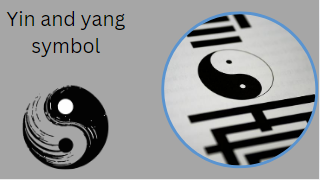
Yin and Yang Symbol: Meaning History Spiritual Significance and Modern Uses
Discover the meaning of the Yin and Yang symbol its ancient Chinese origins spiritual significance philosophical principles cultural impact and modern-day applications.
Yin and Yang Symbol: Complete Guide to Meaning and Significance
The Yin and Yang symbol is one of the most recognizable and profound symbols in the world. Representing balance harmony duality and interconnectedness the Yin Yang symbol has influenced philosophy spirituality medicine martial arts psychology and popular culture for thousands of years.
Whether you’ve seen the iconic black-and-white circle on jewelry artwork tattoos or meditation materials understanding its deeper meaning reveals a fascinating philosophy that continues to shape modern thinking.
In this comprehensive guide you’ll learn everything about the Yin and Yang symbol including its history symbolism spiritual significance cultural impact and practical applications in everyday life
What Is the Yin and Yang Symbol?
The Yin Yang symbol also known as the Taijitu is a circular design divided into two swirling halves:
- A black section representing Yin
- A white section representing Yang
- A white dot within the black area
- A black dot within the white area
Together these elements symbolize the interaction of opposing yet complementary forces that exist throughout the universe.
The symbol teaches that seemingly opposite energies are not enemies but interconnected aspects of a greater whole.
Examples include:
- Light and darkness
- Day and night
- Male and female
- Hot and cold
- Activity and rest
- Life and death
- Earth and sky
Rather than competing these forces depend on one another to create balance.
The Origin and History of the Yin and Yang Symbol
The concept of Yin and Yang originated in ancient China over 3000 years ago.
The philosophy became a central component of Chinese thought and influenced several traditions including:
- Taoism
- Confucianism
- Chinese Medicine
- Feng Shui
- Martial Arts
- Chinese Astrology
The earliest references to Yin and Yang appear in the ancient Chinese text known as the I Ching often translated as the Book of Changes.
Ancient Chinese scholars observed natural patterns and concluded that reality operates through dynamic interactions between complementary forces.
Over centuries these ideas evolved into the famous circular symbol known today.
What Does Yin Mean?
Yin represents qualities associated with receptivity stillness and inward energy.
Characteristics of Yin
- Darkness
- Moon
- Night
- Water
- Earth
- Femininity
- Intuition
- Reflection
- Calmness
- Rest
Yin energy is often viewed as nurturing passive and restorative.
Examples of Yin in nature include:
- A quiet lake
- Moonlight
- Winter
- Deep sleep
- Meditation
Yin is essential because it allows restoration growth and reflection.
What Does Yang Mean?
Yang represents active outward-moving energy.
Characteristics of Yang
- Light
- Sun
- Day
- Fire
- Sky
- Masculinity
- Logic
- Action
- Movement
- Strength
Yang energy drives progress activity and transformation.
Examples of Yang in nature include:
- Bright sunlight
- Summer
- Physical exercise
- Competition
- Productivity
Yang provides motivation and momentum necessary for achievement.
The Meaning of the Dots in the Yin Yang Symbol
One of the most important aspects of the Yin Yang symbol is the small dot found within each half.
White Dot in the Black Section
The white dot represents Yang within Yin.
This means:
- Light exists within darkness.
- Activity exists within rest.
- Strength exists within softness.
Black Dot in the White Section
The black dot represents Yin within Yang.
This means:
- Rest exists within activity.
- Calm exists within energy.
- Darkness exists within light.
The dots symbolize that nothing is purely Yin or purely Yang.
Everything contains elements of its opposite.
The Meaning of the Circular Shape
The circle surrounding Yin and Yang symbolizes:
- Unity
- Wholeness
- Infinity
- The universe
- Continuous cycles
Unlike symbols that divide opposing forces into separate areas the Yin Yang symbol shows that everything exists within one interconnected system.
The circle emphasizes that balance creates completeness.
Yin and Yang in Taoism
The Yin Yang concept is a foundational principle of Taoism.
Taoism teaches that the universe follows the Tao often translated as The Way.
According to Taoist philosophy:
- Nature seeks balance.
- Opposing forces complement one another.
- Harmony arises when energies remain balanced.
- Conflict occurs when balance is disrupted.
The Yin Yang symbol visually expresses these principles.
The Five Principles of Yin and Yang
Ancient Chinese philosophy describes several key principles.
- Opposites Exist Together
Day requires night.
Hot requires cold.
Without one the other cannot be understood.
- Opposites Are Interdependent
Yin and Yang rely on each other for meaning and existence.
3. Opposites Can Transform
Day gradually becomes night.
Winter becomes summer.
Rest becomes action.
- Both Exist Within Everything
Nothing is completely Yin or completely Yang.
- Balance Creates Harmony
Health happiness and stability result from balanced energies.
Spiritual Meaning of the Yin and Yang Symbol
Spiritually Yin and Yang represents the balance required for personal growth and inner peace.
The symbol reminds us that:
- Challenges create strength.
- Darkness helps us appreciate light.
- Failure can lead to success.
- Silence supports wisdom.
- Rest enables achievement.
Many spiritual practitioners use the symbol as a reminder to seek equilibrium in thoughts emotions and actions.
Yin and Yang in Chinese Medicine
Traditional Chinese Medicine (TCM) is deeply influenced by Yin and Yang theory.
According to TCM:
Health occurs when Yin and Yang energies remain balanced.
Imbalances may lead to physical or emotional issues.
Examples include:
Excess Yin
- Fatigue
- Coldness
- Low energy
- Depression
Excess Yang
- Stress
- Irritability
- Inflammation
- Restlessness
Treatment methods aim to restore harmony through:
- Acupuncture
- Herbal medicine
- Diet
- Exercise
- Meditation
Yin and Yang in Feng Shui
Feng Shui uses Yin and Yang principles to create balanced living spaces.
Yin Spaces
- Bedrooms
- Meditation rooms
- Relaxation areas
Yang Spaces
- Offices
- Kitchens
- Gyms
- Social gathering areas
A balanced environment supports physical and emotional well-being.
Yin and Yang in Martial Arts
Many Chinese martial arts incorporate Yin and Yang philosophy.
Examples include:
- Tai Chi
- Qigong
- Kung Fu traditions
Practitioners learn to balance:
- Softness and strength
- Defense and offense
- Relaxation and power
Mastery comes from understanding when to apply each energy.
Yin and Yang in Nature
Nature offers countless examples of Yin and Yang.
Seasonal Cycles
- Winter (Yin)
- Summer (Yang)
Daily Cycles
- Night (Yin)
- Day (Yang)
Weather
- Rain (Yin)
- Sunshine (Yang)
Ocean Tides
- Ebb and flow
These natural rhythms demonstrate the continuous interaction of opposing forces.
Yin and Yang in Relationships
The symbol also provides insights into healthy relationships.
Successful partnerships often involve balancing:
- Listening and speaking
- Independence and togetherness
- Giving and receiving
- Logic and emotion
The philosophy encourages mutual support rather than dominance.
Psychological Interpretation of Yin and Yang
Modern psychology often interprets Yin and Yang as representing different aspects of human personality.
Yin Traits
- Empathy
- Creativity
- Intuition
- Reflection
Yang Traits
- Confidence
- Leadership
- Action
- Analysis
Personal growth involves developing both sides rather than relying exclusively on one.
Yin and Yang Symbol in Modern Culture
Today the Yin Yang symbol appears worldwide in:
- Jewelry
- Tattoos
- Clothing
- Logos
- Meditation products
- Art
- Home décor
Its universal message of balance makes it appealing across cultures and generations.
Many people wear the symbol as a reminder to maintain harmony in life.
Yin and Yang Tattoo Meaning
A Yin Yang tattoo commonly symbolizes:
- Balance
- Unity
- Spiritual growth
- Personal transformation
- Harmony
- Acceptance of life’s dualities
Tattoo designs often include:
- Dragons
- Koi fish
- Sun and moon imagery
- Lotus flowers
- Elements of nature
These additions enhance the symbolism of interconnected opposites.
Common Misconceptions About Yin and Yang
Misconception 1: Yin Is Bad and Yang Is Good
False.
Neither energy is superior.
Both are necessary.
Misconception 2: Yin Means Female and Yang Means Male Only
While associated with feminine and masculine qualities the concept extends far beyond gender.
Misconception 3: Perfect Balance Means Equality
Balance does not always mean a 50/50 split.
Different situations require different amounts of Yin or Yang energy.
Lessons We Can Learn from Yin and Yang
The symbol offers timeless wisdom:
Embrace Change
Life constantly shifts between different states.
Accept Opposites
Challenges and successes both contribute to growth.
Seek Balance
Extreme behavior often creates instability.
Appreciate Interconnection
Everything influences everything else.
Cultivate Harmony
Balance supports long-term well-being.
Yin and Yang Symbol in Business and Leadership
Modern leadership theories often reflect Yin Yang principles.
Effective leaders balance:
- Authority and empathy
- Vision and practicality
- Confidence and humility
- Competition and cooperation
Organizations also benefit from balancing innovation with stability.
Yin and Yang and Personal Development
Applying Yin Yang philosophy can improve daily life.
Increase Yin Through
- Meditation
- Journaling
- Rest
- Mindfulness
- Reflection
Increase Yang Through
- Exercise
- Goal setting
- Productivity
- Learning
- Taking action
The goal is not maximizing one side but maintaining healthy balance.
Frequently Asked Questions
What does the Yin Yang symbol represent?
It represents balance harmony duality and the interconnected relationship between opposing forces.
Is Yin female and Yang male?
Traditionally Yin is associated with feminine qualities and Yang with masculine qualities but both energies exist within every person.
What religion uses the Yin Yang symbol?
The symbol is most strongly associated with Taoism but also influences many aspects of Chinese philosophy and culture.
Why are there dots in the Yin Yang symbol?
The dots show that each force contains elements of its opposite.
Is the Yin Yang symbol lucky?
Many people view it as a symbol of harmony balance and positive energy.
Conclusion
The Yin and Yang symbol is far more than a simple black-and-white design. It is a profound representation of balance interconnectedness and the dynamic forces that shape existence. Rooted in ancient Chinese philosophy the symbol continues to inspire people worldwide through its timeless lessons about harmony transformation and unity.
Whether viewed through the lens of spirituality psychology medicine relationships leadership or personal growth the Yin Yang symbol teaches that opposites are not enemies. Instead they are complementary forces working together to create balance in the universe and within ourselves.
By understanding and applying Yin and Yang principles individuals can cultivate greater harmony resilience and wisdom in everyday life.